

Alright, so I am back to talk more about the FIFA Women’s World Cup 2023. This time I will be talking about the venues. One of my favorite parts of any sporting event is the architecture. The FIFA Women’s World Cup 2023 does not have the same controversy surrounding the venues that FIFA World Cup 2022 did. The FIFA Women’s World Cup 2023 also separates itself from the last FIFA World Cup as there are no new stadiums built just for this event. There are also a couple more stadiums than the FIFA World Cup 2022 had.

There are five host cities in Australia and four host cities in New Zealand for the FIFA Women’s world cup 2023. There are six stadiums in Australia. There are four stadiums in New Zealand. Australia was founded in 1901 and has a population of twenty six million. Australia is the sixth largest country by area and fifty third largest country by population. Australias soccer team (known as the Socceroos) was founded in 1922. They play in the Asian Football Confederation despite bing in the Oceania zone. Prior to 2006 they played in the Oceania Football Confederation. The Australian women’s national soccer team has been around since 1974. New Zealand was founded in 1947 and has a population of five million. New Zealand is the seventy fifth largest country by area and the one hundred and twenty first largest country by population. The New Zealand soccer team (known as the all whites) was founded in 1922. They play in the Oceania Football Confederation. The New Zealand women’s soccer team has been around since 1975.
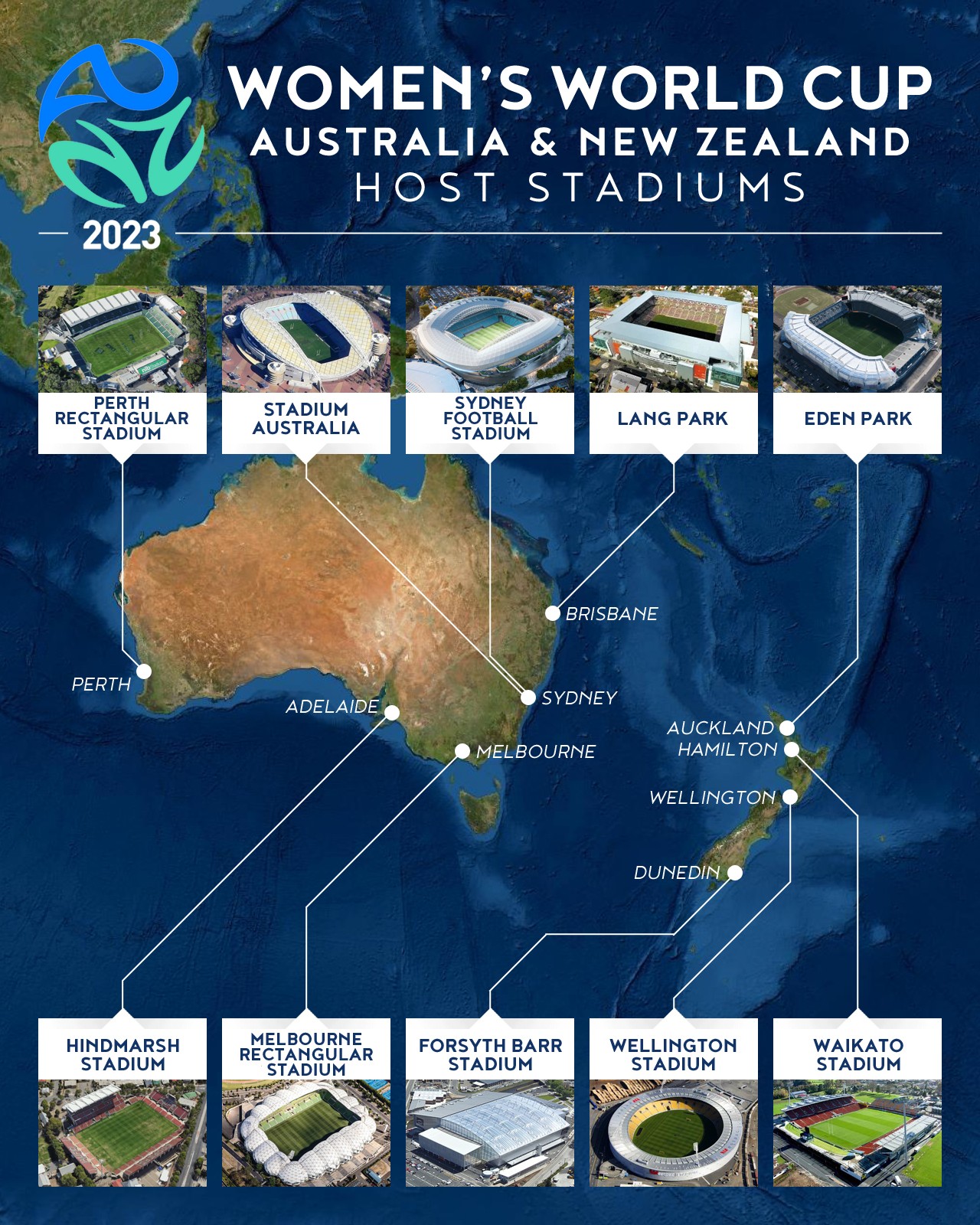
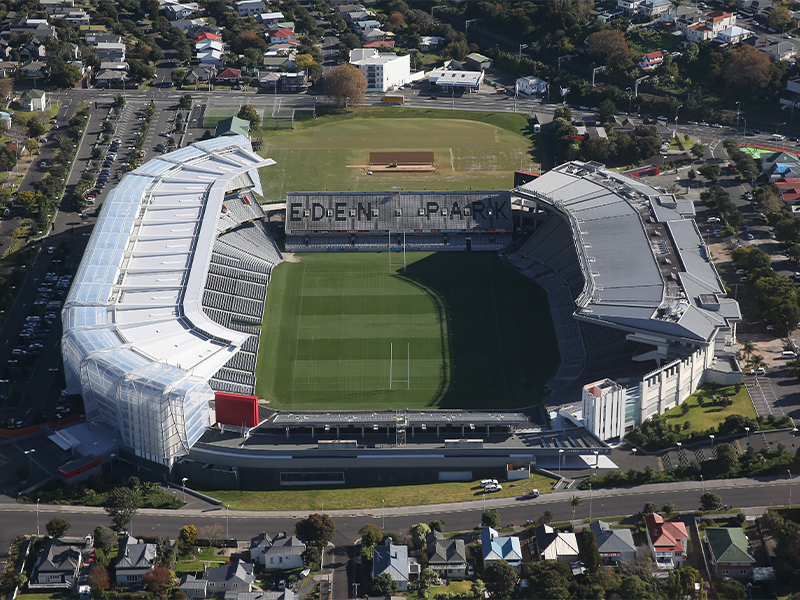

NAME: Eden Park
LOCATION: Kingsland New Zealand
CAPACITY: 50,000 (expandable to 61,000)
SURFACE: MOTZ Turf
BUILT: 1900
TENANTS: Blues (Rugby Union), Auckland Rugby, and Auckland Cricket
WORLD CUP MATCHES: Group A, Group C, Group E, Group G, Round of 16, Quarterfinals, Semifinals

Eden Park was originally built in 1900. Eden Park was redeveloped in 2010. It was built for Rugby and Cricket. The opening match for this stadium will be New Zealand vs Norway. That will be the first match of the tournament. Eden Park will also host matches for Groups A, C, E, and G. That includes the opening United States match verse Vietnam and the Portugal agains the United States. It will also host the round of 16 match for the Group A winner and the Group C runner-up, the quarterfinals, and the semifinals. For a stadium that is close to one hundred and twenty five years old it look quite modern thanks to the redevelopment in 2010. There is nothing on the outside that is too eye catching but the inside has a unique layout.
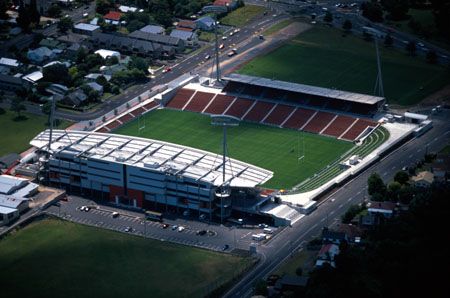

NAME: FMG Stadium Waikato (Waikato Stadium)
LOCATION: Hamilton, New Zealand
CAPACITY: 25,800
SURFACE: Grass
BUILT: 2000-2002
TENANT: Waikato Rugby Union, Chiefs (Rugby Union), New Zealand 7s (Rugby Sevens)
WORLD CUP MATCHES: Group A, Group C, Group E, Group G

FMG Stadium Waikato was built from 200 to 2002. It was built for Rugby and Cricket. The Opening match for this stadium will be Zambia vs Japan. FMG Stadium Waikato will also host matches for Groups A, C, E, and G. The design seems basic. The City needed a stadium and it got one. Some of the fire works and other display elements they have at the stadium are cool.
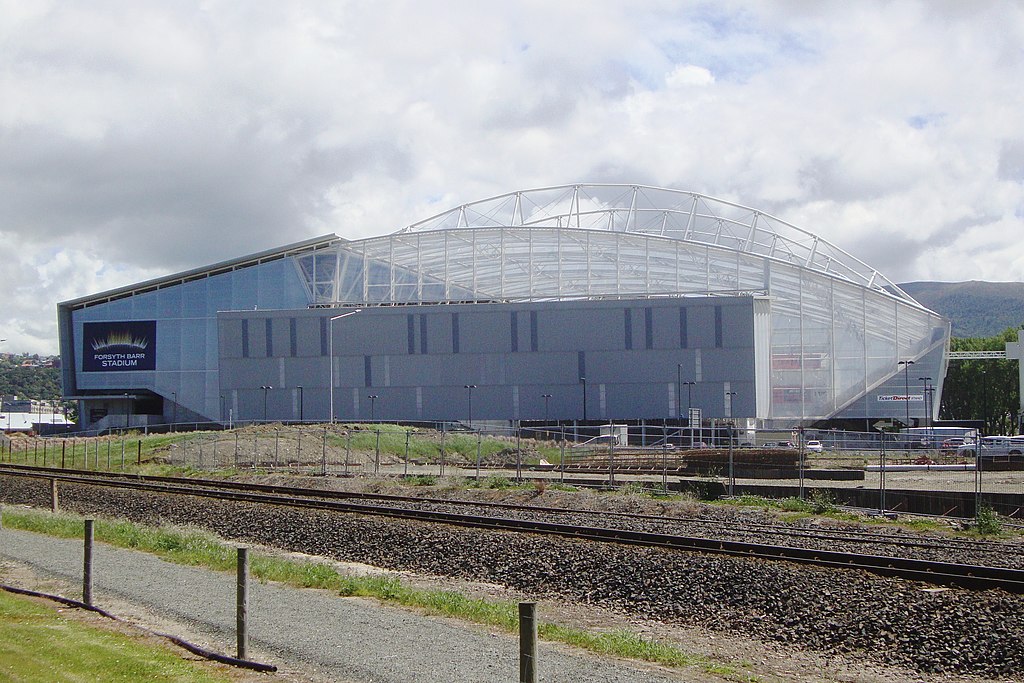
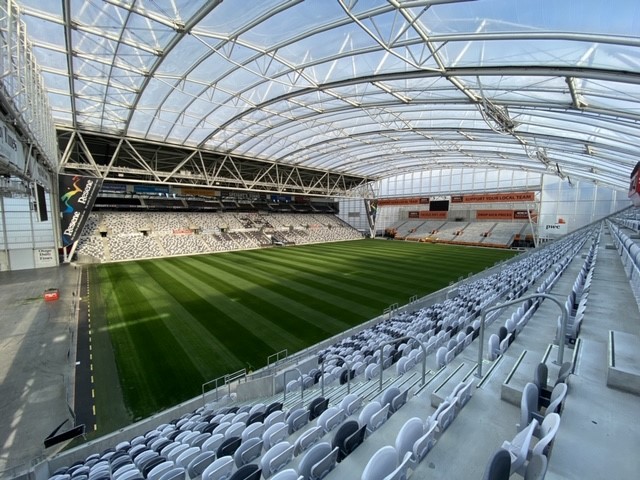
NAME: Forsyth Barr Stadium (Dunedin Stadium)
LOCATION: Dunedin, Otago, New Zealand
CAPACITY: 30,748
SURFACE: Desso GrassMaster (Hybrid)
BUILT: 2009-2011
TENANT: Otago (Rugby Union), Highlanders (Rugby Union), Souther United FC
WORLD CUP MATCHES: Group A, Group C, Group E, Group G

Forsyth Barr Stadium was built from 2009 to 20011. It was built for Rugby and Soccer. The opening match for this stadium will be the Philippines vs Switzerland. Forsyth Barr Stadium will hold matches for Groups A, C, G, and E. I think this is the nicest looking stadium in the FIFA Women’s World Cup 2023. It is a shame it wont be used after the group stage.
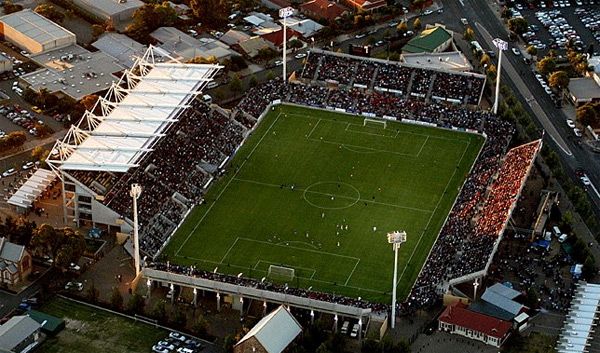
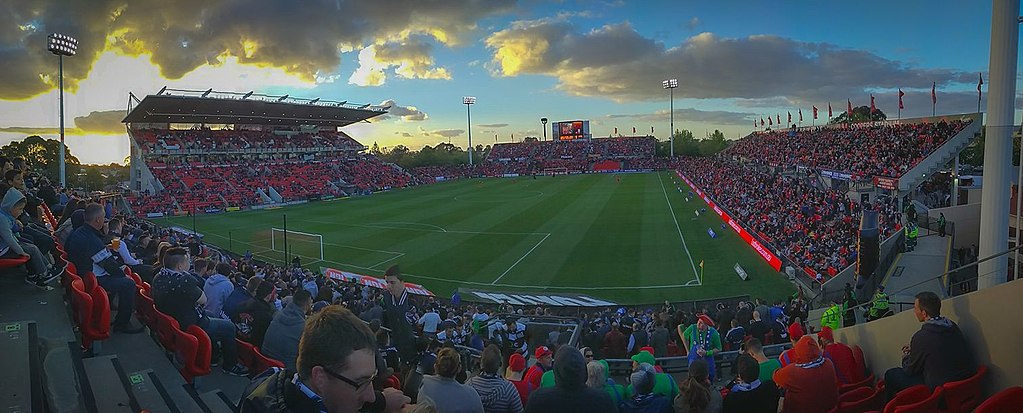
NAME: Coopers Stadium (Hindmarsh Stadium)
LOCATION: Hindmarsh South Australia
CAPACITY: 16,500 (expandable to 18,430)
SURFACE: Grass
BUILT: 1960 (renovated 2000)
TENANT: Adelaide United
WORLD CUP MATCHES: Group B, Group D, Group H, Round of 16

Coopers Stadium was built in 1960 and renovated in 2000. The opening match for this stadium will be Brazil vs Panama. Coopers Stadium will hold matches for Groups B, D, and H. It will hold a round of 16 match between the Group F winner and the Group H runner-up. It is another stadium on this list that doesn’t really stand out visually.

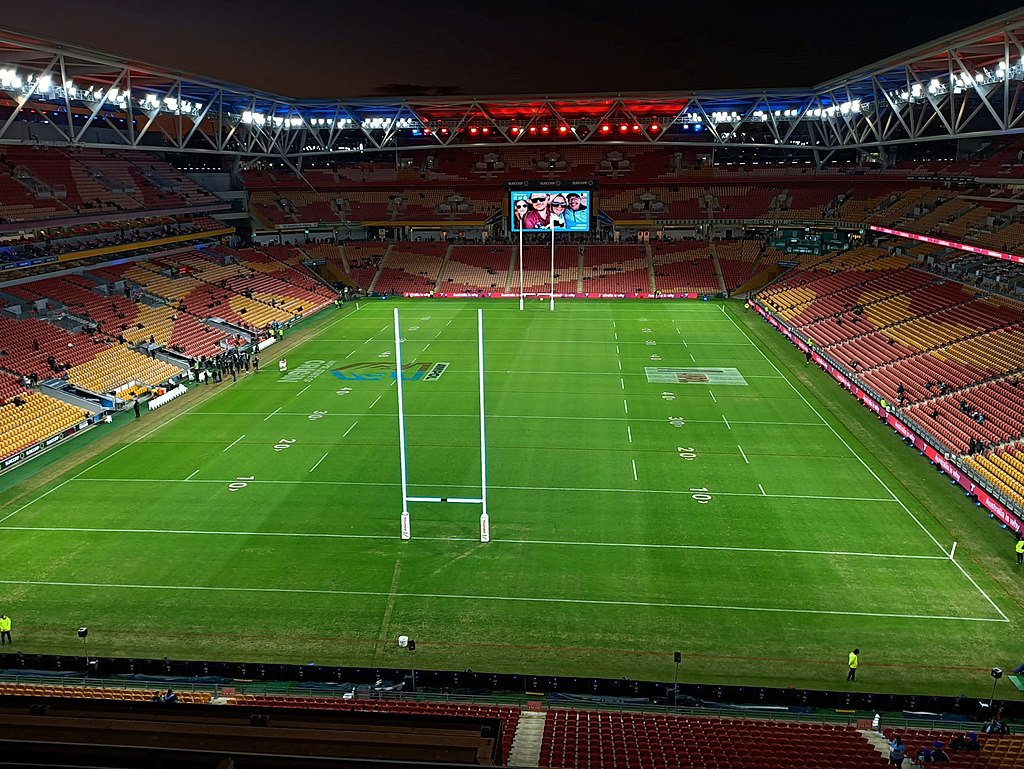
NAME: Suncorp Stadium (Lang Park/Brisbane Stadium)
LOCATION: Milton, Queensland, Australia
CAPACITY: 52,500
SURFACE: Grass
BUILT: 1911-1914
TENANT: Brisbane Broncos (Rugby League), Dolphins (Rugby League), Queensland Maroons (Rugby League), Australian National Rugby League team, Queensland Reds (Rugby Union), Australia National Rugby Union team, Brisbane Roar (Soccer), Australian National Soccer team
WORLD CUP MATCHES: Group B, Group D, Group F, Group H, Round of 16, Quarterfinals, 3rd Place Match

Suncorp Stadium was built from 1911 to 1914. The stadium was redeveloped between 2001 and 2003. The opening match for this stadium will be England against Haiti. Suncorp Stadium will hold matches for Group B, D, F, and H. It will also host the round of 16 match between the Group D winner and the group B runner-up, a semifinal match, and the third place match. This stadium is actually visually interesting from the outside and the inside especially with the pattern on the seating.
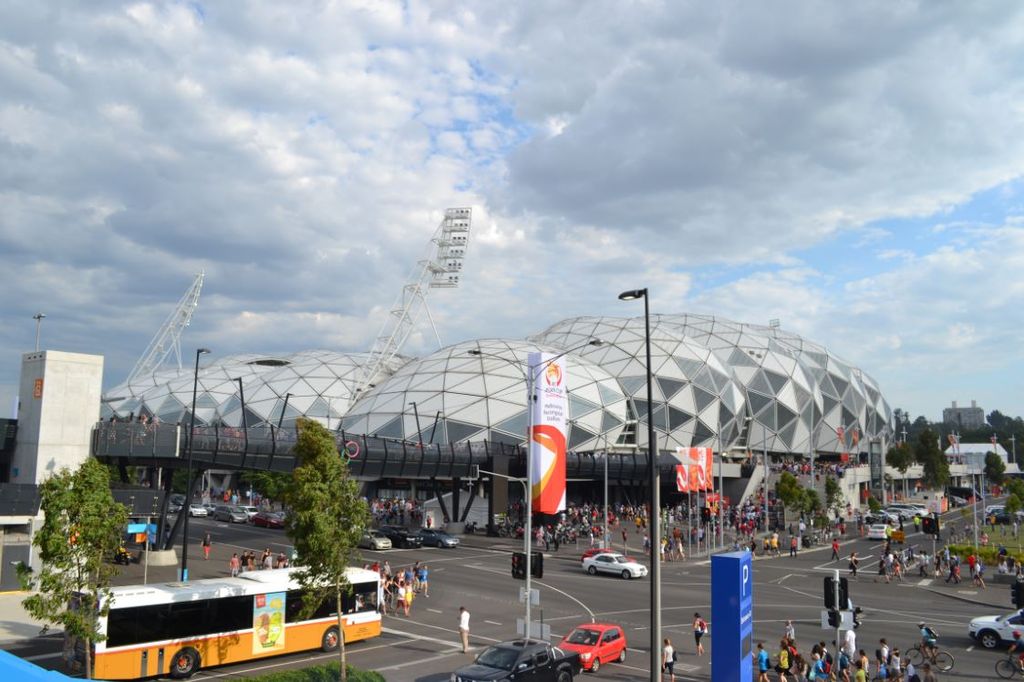
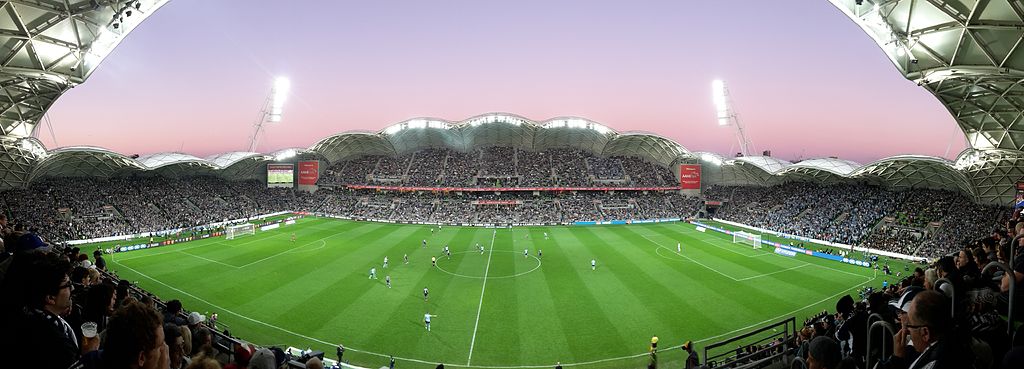
NAME: Melbourne Rectangular Stadium
LOCATION: Melbourne, Victoria, Australia
CAPACITY: 30,000
SURFACE: StaLok Turf
REBUILT: 2007-2010
TENANT: Melbourne Storm (Rugby League), Melbourne Rebels (Rugby Union), Melbourne City FC, Melbourne Victory FC, Melbourne Victory FC (Women), Western United, Melbourne Football Club (Australian rules football)
WORLD CUP MATCHES: Group B, Group F, Group H, Round of 16

Melbourne Rectangular Stadium was built from 2007 to 2010. It was built for Rugby and Soccer. The opening match for this stadium will be Nigeria against Canada. Melbourne Rectangular Stadium will host matches from Groups B, F, and H. It will also host two round of 16 matches between the Group G winner and Group E runner-up and the match between the Group H winner and the Group F runner-up. I like how it looks like a bunch of domes put together. IT reminds me of space colony designs.
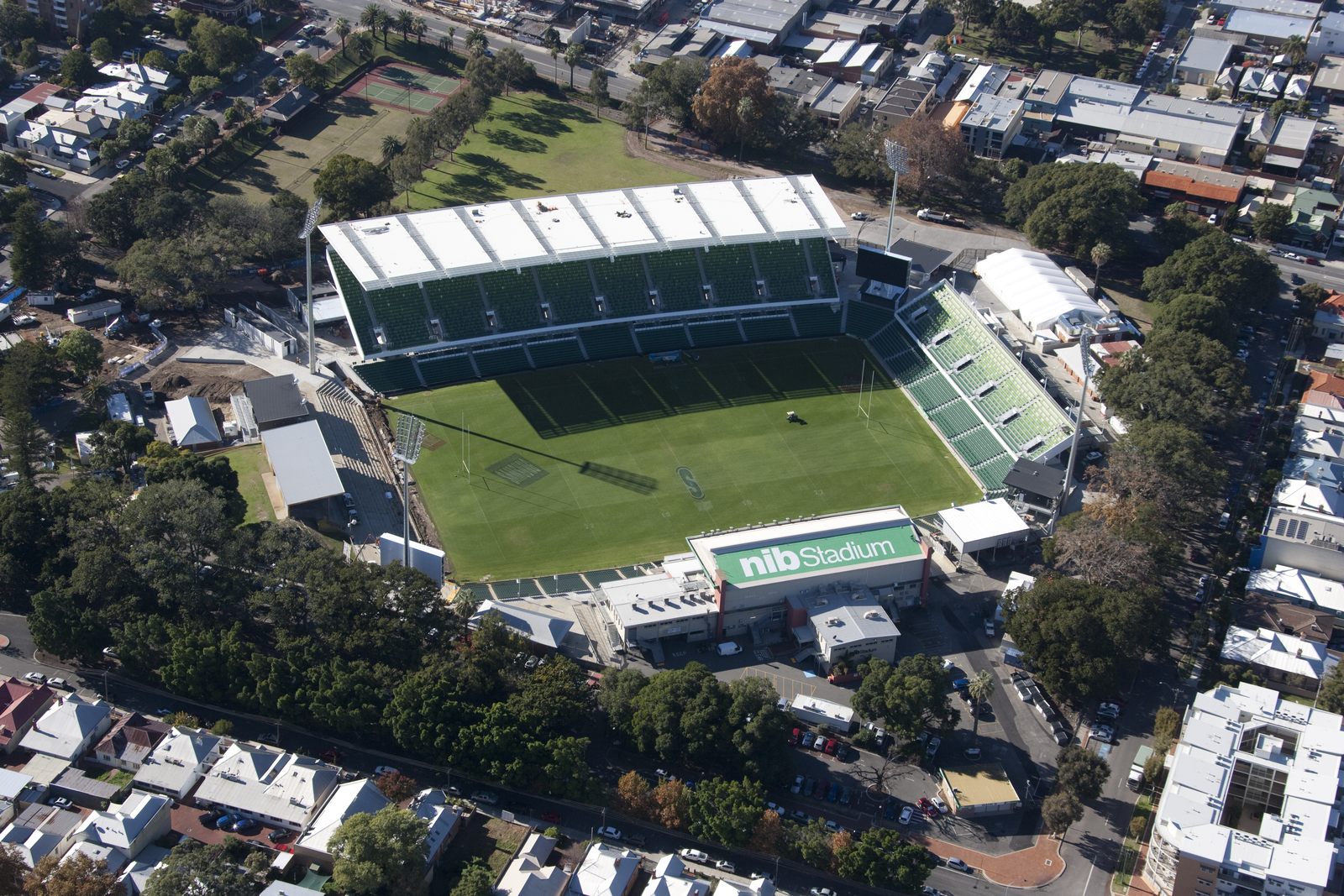
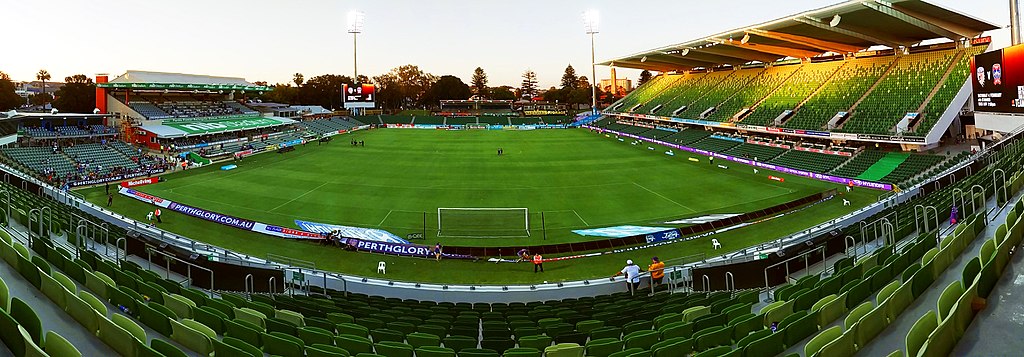
NAME: HBF Park (Perth Rectangular Stadium)
LOCATION: Perth, Western Australia
CAPACITY: 20,500
SURFACE: Grass
REBUILT: 1910 (renovated 2004, 2012, 2023)
TENANT: Perth SC, Perth Glory FC, Western Force (Rugby Union), Australia National Rugby team (Rugby Union)
WORLD CUP MATCHES: Group B, Group D, Group F, Group H

HBF Park was built in 1910. The stadium was renovated in 2004, 2012, and 2023. The first match to be played here will be Denmark against China. It will also host matches for Groups B, D, F, and H. The outside isn’t that interesting but the pattern on the grand stand is cool.
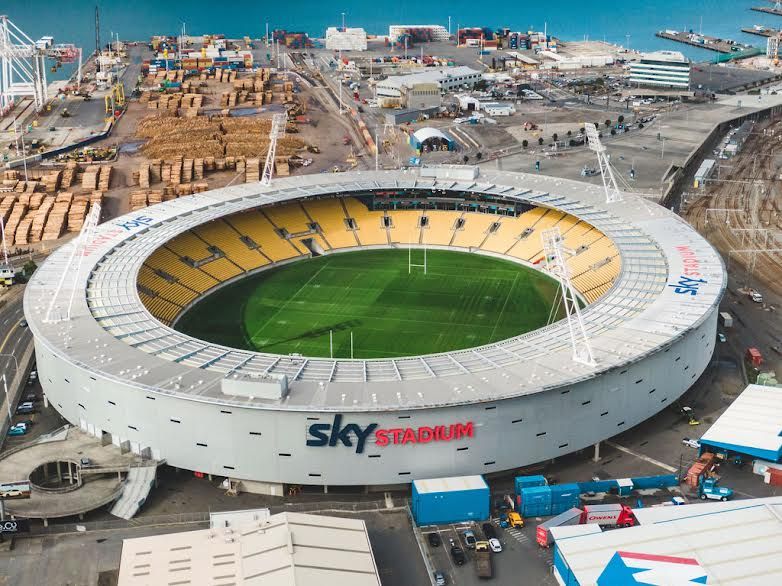
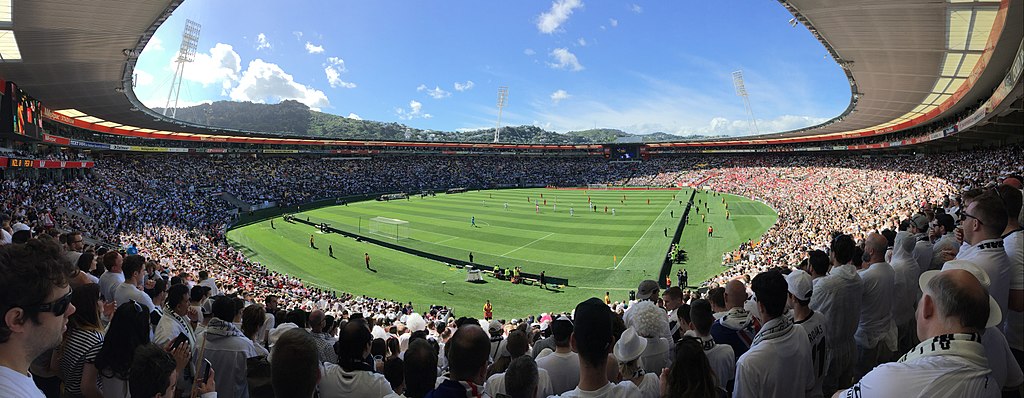
NAME: Sky Stadium (Wellington Regional Stadium)
LOCATION: Wellington, New Zealand
CAPACITY: 34,500
SURFACE: Grass
BUILT: 1998-2000
TENANT: Hurricanes (Rugby Union), Wellington Lions (Rugby Union), Wellington Phoenix FC, Wellington Phoenix FC Women, Wellington Firebirds (Cricket), St K.F.C. (Australian Rules Football), New Zealand National Football team
WORLD CUP MATCHES: Group A, Group C, Group E, Group G, Round of 16, Quarterfinals

Sky Stadium was built from 1998 to 2000. The first match here will be Spain vs Costa Rica. It will host matches for Groups A, C, E, and G including the United States against the Netherlands. It will also host a round of 16 match between the Group C winner and Group A runner-up and a quarterfinal match. Sky Stadium is also the only circular stadium in the FIFA Women’s World Cup 2023. It looks like a modern stadium from the outside and on the inside it looks unique for soccer with its circular design.

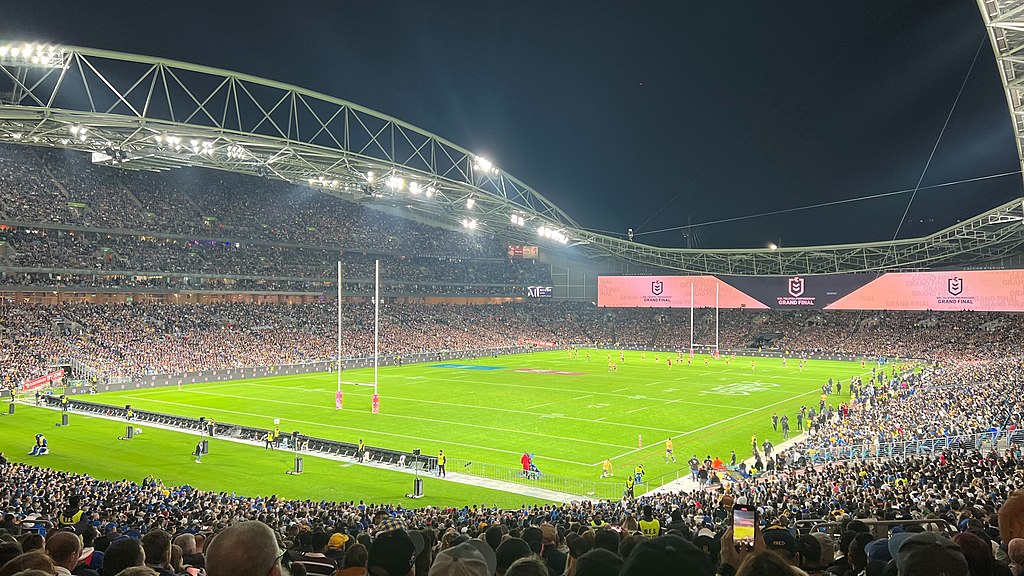
NAME: ACCOR Stadium (Stadium Australia, Sydney Olympic Stadium)
LOCATION: Sydney Olympic Park, New South Wales, Australia
CAPACITY: 82,500 (was 115,000 for the 2000 Summer Olympics)
SURFACE: Grass
BUILT: 1996-1999
TENANT: New South Wales Blues (Rugby League), Canterbury-Bankstown Bulldogs (Rugby League), South Sydney Rabbitohs (Rugby League), New South Wales Waratahs (Rugby Union), Australia national rugby union team (Rigby Union), New South Wales cricket team, GWS Giants (Australian Rules Football), Australia men’s national soccer team, Australia women’s national soccer team, Sydney FC
WORLD CUP MATCHES: Group B, Round of 16, Quarterfinals, Semifinals, Final

ACCOR Stadium was built from 1996 to 1999. It was built for the 2000 Summer Olympics. It will be hosting only one group stage match between Australia and the Republic of Ireland. It will be hosting the round of 16 match between the Group B winner and the Group D runner-up. It will also be hosting a quarterfinals match, a semifinal match, and the final. The outside of the stadium is kind f plain and does show its age but the large scoreboard on the one side is a unique feature.
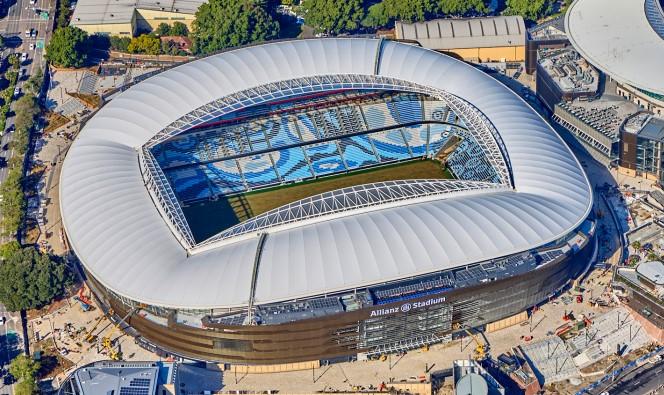
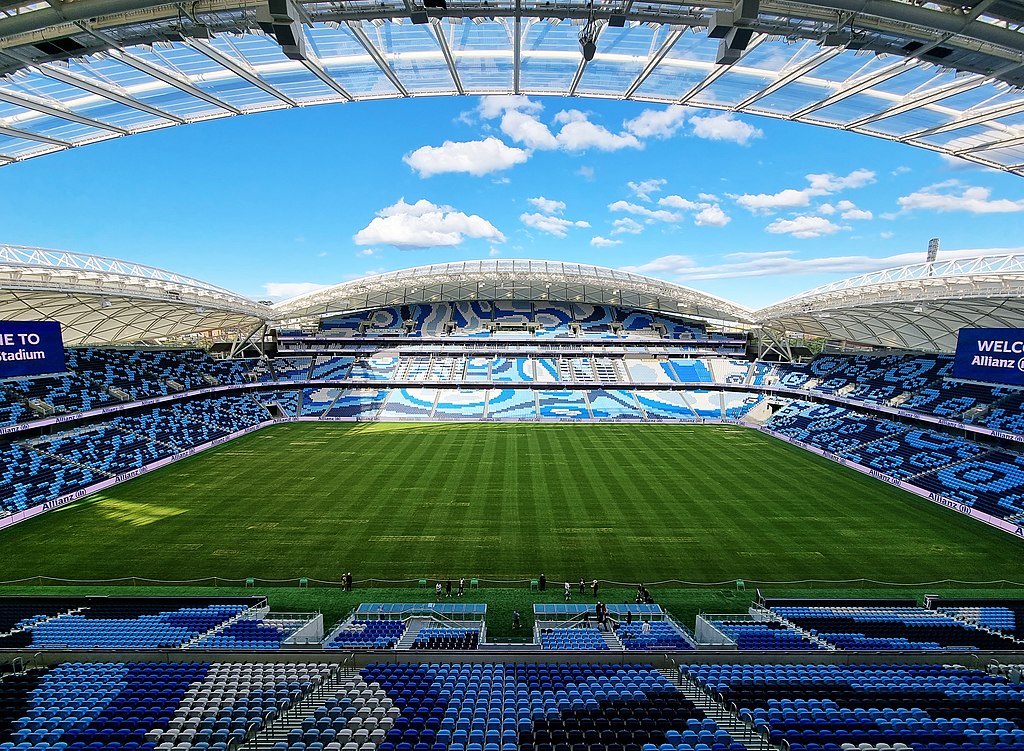
NAME: Allianz Stadium (Sydney Football Stadium)
LOCATION: Sydney, Australia
CAPACITY: 42,500
SURFACE: Grass
BUILT: 2020-2022
TENANT: Sydney Roosters (Rugby League), South Sydney Rabbitoohs (Rugby League), Sydney FC, NSW Waratahs (Rugby Union)
WORLD CUP MATCHES: Group D, Group F, Group H, Round of 16

Allianz Stadium was built from 2020 to 2022. It is the newest stadium to be used for the FIFA Women’s World Cup 2023. It was built to replace the old Sydney Football Stadium that was opened in 1998 and closed in 2018. It will be hosting Group D, F, and H matches. It will also be hosting the round of 16 match between the Group E winner and the Group G runner-up.
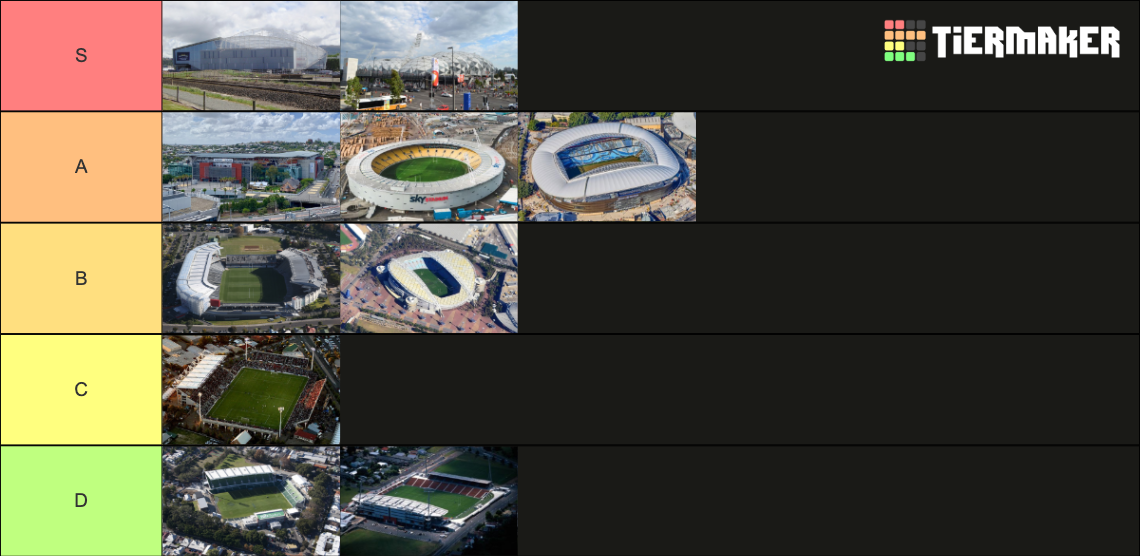

Above is my ranking on the design of the stadiums that will be used in the FIFA Women’s World Cup 2023. The top two are Forsyth Barr Stadium and Melbourne Rectangular Stadium. They are the only stadiums in the S tier. At the A tier is Lang Park, Wellington Regional Stadium, and Sydney Football Stadium. Those three stadiums are all visually appealing but just aren’t good enough to make the jump to the S tier. In the B tier is Eden Park and Waikato Stadium. They are not bad stadiums but are not very visually appealing. In the C tier is Hindmarsh Stadium. It’s not the best to loo at but it is not the worst to look at either. In the D tier is Perth Rectangular Stadium and Waikato Stadium. These are just bad to look at.





 Zac Electrifly
Leave a comment